

Debugging Feelings: a neurodiverse engineer learns how emotions and culture are made
In my twenties I developed a crippling fear of flying. What eventually helped wasn't willpower or drugs - it was learning about the theory of constructed emotion, that the racing heart and clammy hands weren't an immutable part of me, but emotions that my brain was constructing from prior experience, and which I could learn to construct differently. That idea turned out to work on far more than aeroplanes. As a neurodiverse engineer - now an engineering manager - I've always found the human layer of work more layered and harder to pin down than the technical one: the emotions you're meant to just get, the unwritten cultural rules, the shared sense of what's "professional" or "fair" that nobody ever writes down. So I did what we do with any undocumented system: I went looking for an explanation, for the source code. This talk is on what I found, drawn from the science of how our own emotions are constructed, how moral foundations theory helps explain why others think differently and how all this comes together as culture. I'll move from managing my own stress before high-stakes moments, to why well-meaning people with different moral instincts end up furious and talking straight past each other, to learning how to read the company or team culture from what emotions are fostered and which ones are forbidden. It's for anyone - neurodivergent or not - who's found the people part of work harder than the code. It's based in real science, and it's given me a model to navigate the work environment. Key takeaways: Emotions as constructed predictions you can reframe — a practical handle on anticipatory stress before demos, incidents, and difficult conversations Why moral disagreements at work lead to deadlock, and how seeing the intuitions underneath makes them navigable rather than infuriating How to read a team as a culture formed of the emotions they display, instead of taking what they say at face value.
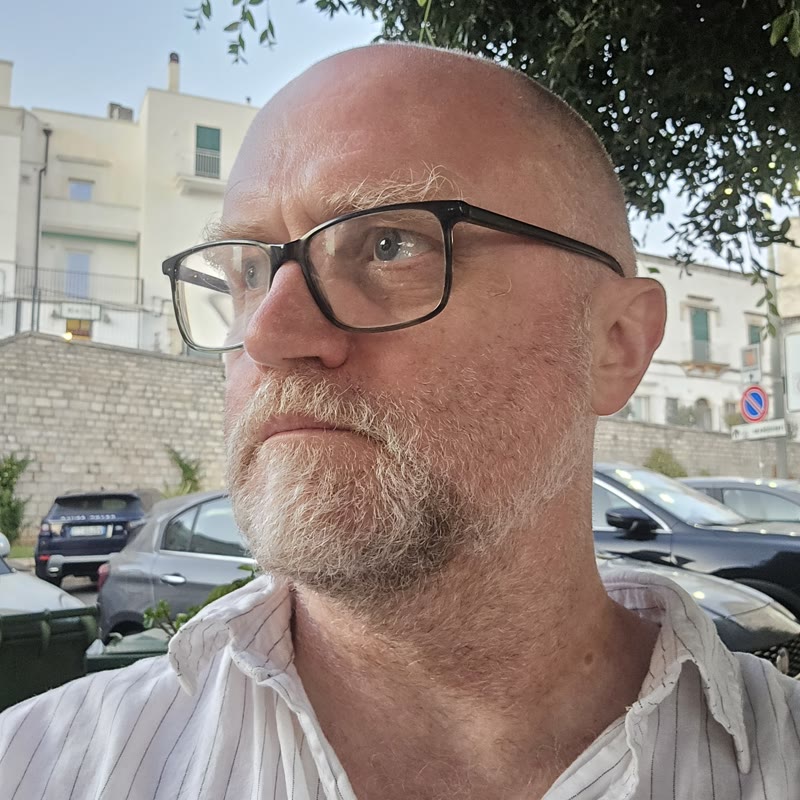
Cormac O'Donnell
Cormac is an engineering manager with a PhD in physics and around fifteen years in software, most recently building AI and ML systems before moving back into engineering management. He's long been interested in the contrasts between the technical and human sides of the job - and, as an autistic engineer, in learning to understand emotions, morality and culture deliberately rather than by instinct. This is his first conference talk.