

Erased From the Commit Log: Forty Years of Queer Computing, and the Systems We're Building Next
In January 1976, a shipping clerk in Belfast had his home searched and his private papers seized. Five years later, Jeffrey Dudgeon won a case at the European Court of Human Rights that decriminalised homosexuality in Northern Ireland. It was 1988 when Norris v. Ireland put the Republic on the road to decriminalisation. These rulings are younger than some of the companies we work for. Our industry was built by people who had to hide to do their work. Alan Turing died a convicted criminal. Lynn Conway was fired by IBM in 1968 and rebuilt a career from nothing, then wrote the methods that every chip designer still uses. Sophie Wilson designed the instruction set that runs on almost every phone in this hall. Most of us learned their architectures without ever learning their names. This talk traces that history forward into the code we ship today: the name field that can't hold both a legal and a chosen name, gender modelled as an enum, the deadname that survives in every backup and audit log, the identity check that fails on mismatched documents, the retention policy that turns a user record into an outing risk in the wrong jurisdiction. These are architecture decisions with owners and tickets, not HR problems. We'll close by considering what the next decade asks of us and why designing for the edges has always produced better systems for everyone in the middle. Key takeaways * Named, specific ways production systems fail queer users - identity modelling, audit trails, verification flows, data retention - and design patterns that can provide solutions * A working test: how to audit your own schema and logs for assumptions that only hold for the default user * Why inclusive design consistently improves reliability and usability for the whole user base, with the mechanism, not the platitude * A pocket history of queer computing you can cite, from Belfast in 1981 to the ARM core in your pocket
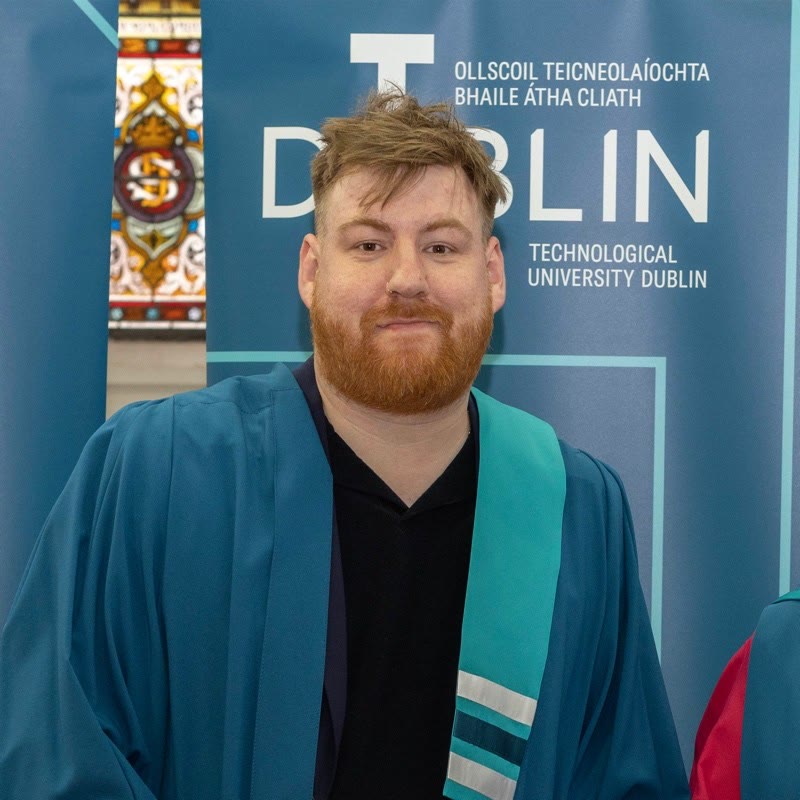
Adam D'Arcy
Adam Darcy is a Principal Engineer, Architect and Researcher with over a decade of experience leading engineering teams across HCI, cybersecurity, and AI. He provides cross-organisational cybersecurity leadership, owning threat modelling, vulnerability detection and response, and secure software delivery practices across platform and AI systems. Between 2022 and 2025, he conducted research into cyber resilience as part of a partnership between Workday, Technological University Dublin, and the IDA. Experienced across the full software delivery lifecycle, he collaborates closely with product, UX, research, cybersecurity, legal, privacy, and senior leadership stakeholders to deliver secure, resilient systems at scale. A recognised researcher in HCI, cybersecurity, and AI, he has published and presented internationally on these topics. Adam is also a committed champion for LGBTQ+ representation and diversity in technology, dedicated to building inclusive platforms and engineering cultures where all contributors can do their best work.